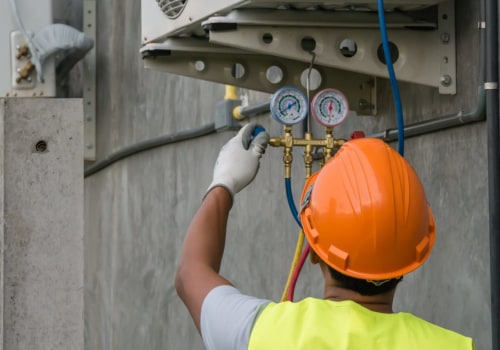
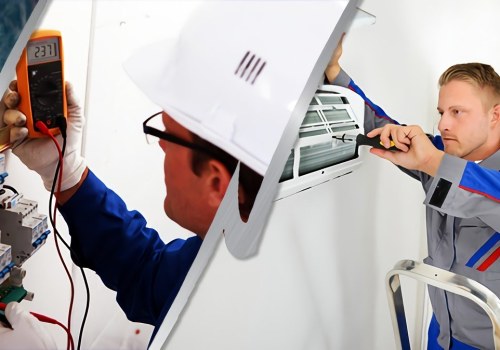
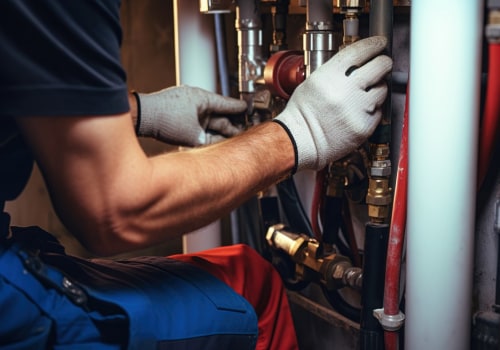
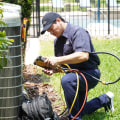
That first summer without reliable cooling is an expensive lesson. This guide exists so you do not have to learn it the hard way. Whether you are replacing an aging system before move-in or evaluating your first installation quote, here is what you actually need to know about top HVAC system installation near Winter Park FL and getting an HVAC system installed correctly.
TL;DR Quick Answers
top hvac system installation near Winter Park FL
Winter Park's 8-to-9-month cooling season makes HVAC installation one of the most consequential decisions a homeowner here will make. Here is what to know before you schedule:
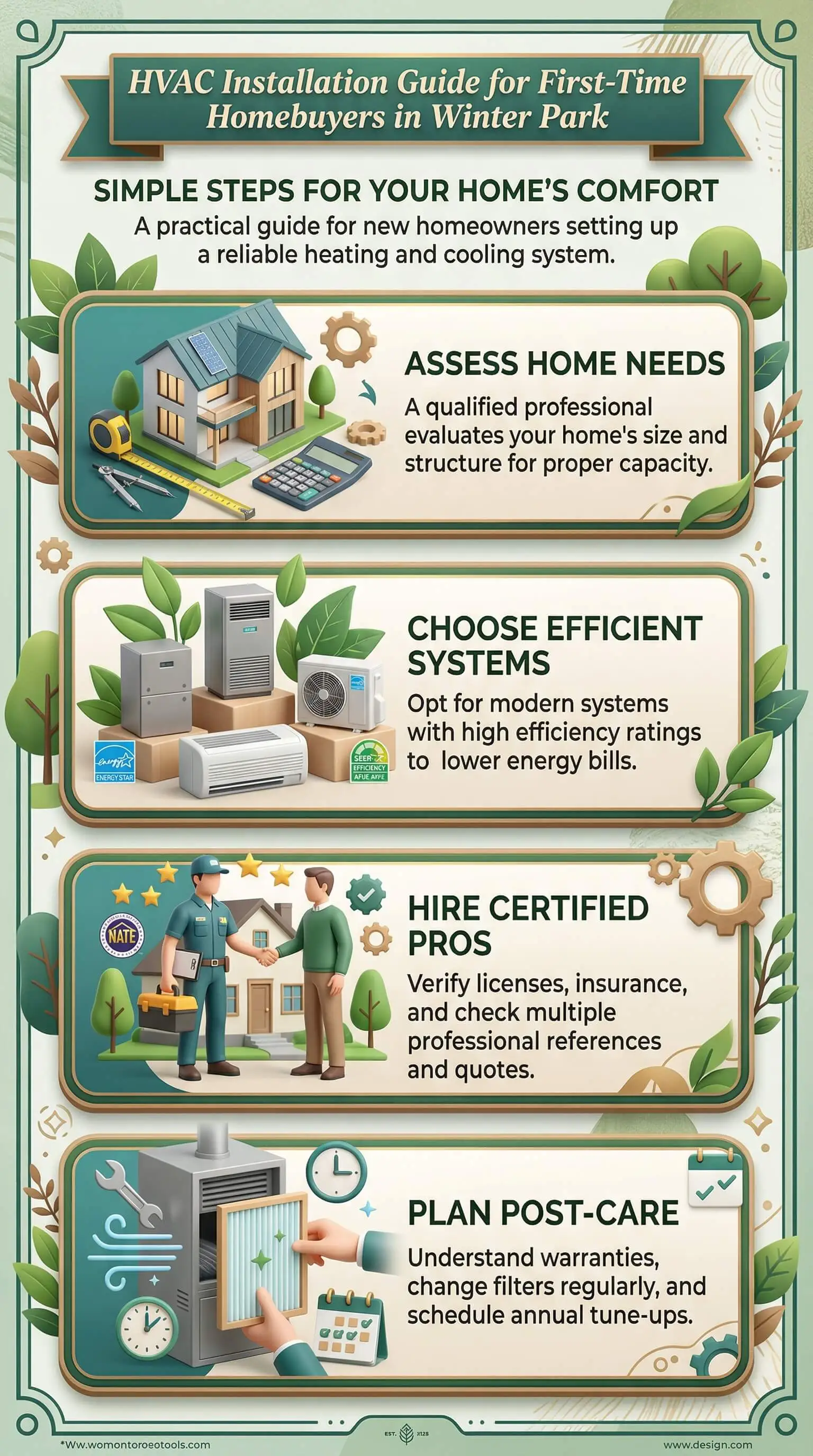
A qualified installer will perform a Manual J load calculation before recommending any equipment. Square footage estimates are not sufficient.
Florida law requires a mechanical permit for all HVAC installation and replacement. Your contractor is responsible for pulling it before work begins.
The federal minimum SEER2 efficiency rating for the Southeast region is 15.2. Higher-rated systems cost more upfront and meaningfully less to operate across a long Florida cooling season.
Many Winter Park homes built between the 1970s and 1990s have undersized ductwork. Ask for a duct assessment before any system is recommended.
Heat pump systems are the right fit for most homes in this climate. True heating demand here is rare, and heat pumps handle both functions efficiently.
A standard replacement installation in a single-family home takes four to eight hours. Ductwork repairs or multi-zone configurations will add time.
Top Takeaways
Winter Park's eight-to-nine-month cooling season makes SEER2 efficiency ratings more financially consequential here than in most of the country. The operating cost difference between a 15.2 SEER2 system and a 19 SEER2 system compounds across years of heavy use. Ask your contractor to show you the numbers, not just the equipment price.
A Manual J load calculation is the only accurate way to size a system for your specific home. Reject any quote based on square footage alone — it is a shortcut that produces the wrong answer as often as the right one.
Florida law requires a mechanical permit for HVAC installation and replacement. Your contractor should pull it without being asked. If they will not, find a contractor who will.
Many Winter Park homes built in the 1970s to 1990s have ductwork that does not meet current standards. A ductwork assessment is a baseline step before any system recommendation — not an add-on.
Heat pump systems are the right fit for most homes in this climate. Central Florida winters rarely demand dedicated heating. A heat pump covers both functions efficiently without the overhead of a gas furnace.
A standard installation runs four to eight hours. Ductwork repairs, multi-zone systems, or attic access challenges extend that timeline — plan accordingly.
Ask five questions before scheduling: Florida license, mechanical permit, Manual J calculation, SEER2 recommendation with rationale, and separate warranty terms for equipment and labor.
Why Winter Park Homes Have Specific HVAC Needs
Central Florida does not give you the seasonal balance you would find further north. Winter Park homeowners run their cooling systems for roughly eight to nine months out of the year. That is not an anomaly — it is just the reality of living here, and it has direct implications for what kind of equipment makes sense and what it will cost to operate long-term.
Humidity is the other factor that catches buyers off guard. In this climate, it is not just about temperature. It is about how the system manages moisture. An undersized unit will cool a room to the set temperature, then shut off before it has had time to pull humidity from the air. You will feel it even when the thermostat reads 74°F.
Heat pump systems are well-suited to this climate for one straightforward reason: genuine heating demand in Winter Park is rare. A heat pump handles both cooling and limited heating efficiently, without the overhead of a gas furnace you would barely run. Most of the HVAC installations we handle across Winter Park involve heat pump configurations, and for the majority of homes here, that is the right recommendation.
One more thing buyers typically do not see coming: the ductwork. Many Winter Park homes were built between the 1970s and the 1990s, and duct systems from that era were often undersized by today's standards. A new, correctly sized system connected to undersized ductwork will not perform the way the spec sheet describes. Before accepting any installation quote, ask for a ductwork assessment from HVAC services professionals — not as an upsell, but as a factual baseline for any honest recommendation.
What First-Time Buyers Often Get Wrong
The most common mistake is not choosing the wrong brand. It is chosen by upfront price without accounting for SEER2 efficiency ratings and what those numbers mean on a Florida utility bill. A system that costs $800 less upfront but carries a lower efficiency rating will frequently cost more within the first two to three years of operation — especially with the cooling hours this climate demands.
The second mistake is skipping the Manual J load calculation. This is the engineering calculation that determines what size system a specific home actually needs, accounting for insulation quality, ceiling height, window area, and local climate data. Many contractors still size systems by square footage alone — a shortcut that produces oversized systems as often as undersized ones. An oversized system short-cycles, running in quick bursts that never allow the equipment to properly dehumidify the air. An undersized system runs almost constantly and still cannot reach the target temperature on the hottest days.
Third: do not assume the existing ductwork is fine because nobody flagged it during inspection. A home inspection is not a ductwork performance audit. If you are putting new equipment into a system with deteriorated flex duct or improperly sized return registers, you are setting up a new system to underperform from day one.
Finally — and this one carries legal weight — ask whether your contractor offering top HVAC installation will pull a Florida mechanical permit before work begins. Florida law requires one for any HVAC installation or replacement. The permit process includes inspections that protect your investment. A contractor who steers away from that conversation is a red flag worth taking seriously.
Questions to Ask Before You Schedule Installation
Any contractor worth hiring will welcome these questions. If they do not, that is information too.
Are you licensed to perform HVAC work in Florida? Florida requires a state mechanical contractor's license. "We're insured" is not a substitute for a direct answer.
Will you pull a mechanical permit for this installation? Required by Florida law. The permit protects you as the homeowner, not the contractor.
Will you perform a Manual J load calculation before recommending a system? If the answer is no, the recommendation is not based on your specific home — it is based on a shortcut.
What SEER2 rating do you recommend for this home, and why? The federal minimum for the Southeast region is 15.2 SEER2. Systems rated 17 to 20 SEER2 cost more upfront but deliver real savings across an eight-to-nine-month cooling season. Ask to see the operating cost comparison.
What warranty covers the equipment, and what covers labor separately? Equipment and labor warranties are different documents with different terms. Know what each one says before you sign anything.
Understanding Your Installation: What Happens and How Long It Takes
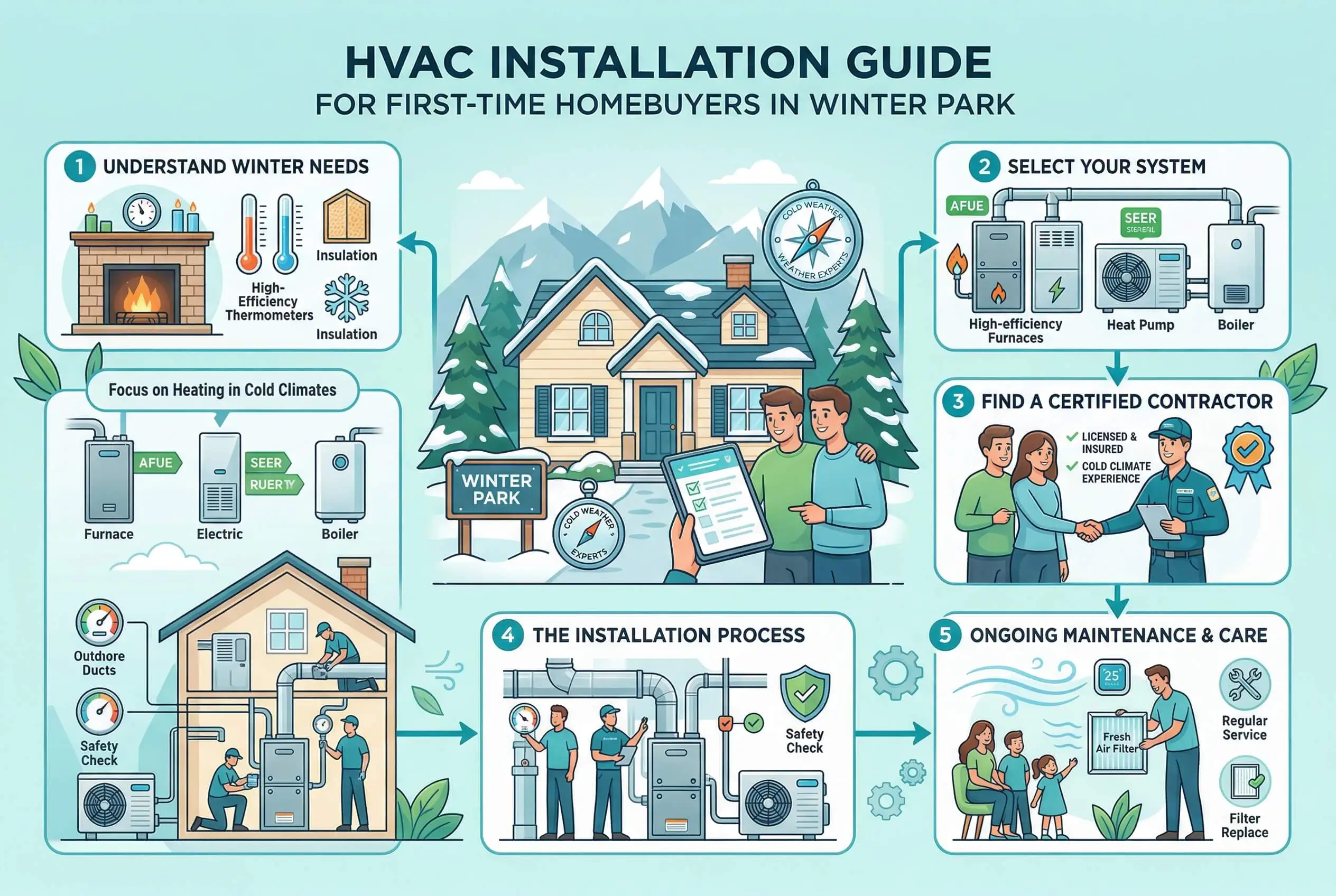
A standard replacement in a single-family Winter Park home typically takes four to eight hours. Here is how that day runs:
The technician reviews the home layout, existing equipment, and access points.
The old system is disconnected. Refrigerants are handled per EPA Section 608 regulations.
The new outdoor unit is positioned and secured on a pad or bracket.
Ductwork connections are inspected and made.
Electrical connections are completed and verified.
The system is charged and tested through multiple start and stop cycles.
The thermostat is configured.
You get a walkthrough before the crew leaves: how the system operates, where the filter is, and how often to replace it.
Ductwork repairs, attic access challenges, or multi-zone system configurations will add time. But for a straightforward equipment replacement, most Winter Park homeowners are comfortable again before the end of the day.
“From the service calls we run throughout Winter Park, the pattern I see most often with first-time buyers is a system that has been running against undersized return ducts for years — the previous owner adapted to it, and nobody flagged it during inspection. New equipment will not solve that on its own. Before we recommend anything, the first thing we want to know is whether the ductwork is actually set up to let the system do its job.”
Essential Resources
What HVAC Actually Does — and Why the Right System Changes Everything
Before requesting your first installation quote, it helps to understand the basic mechanics of what a heating, ventilation, and air conditioning system is designed to do. This overview from Wikipedia covers the core components and functions in plain language — a practical starting point for any buyer walking into contractor conversations for the first time.
Source: https://en.wikipedia.org/wiki/Heating,_ventilation,_and_air_conditioning
Why Heat Pumps Make Sense for Central Florida — and What to Know Before You Buy
The U.S. Department of Energy's Energy Saver guide covers how heat pumps work, their efficiency advantages in mild-to-warm climates, and the key considerations for homeowners choosing between system types. For a first-time buyer in Winter Park evaluating options, this is a straightforward resource for understanding why the equipment recommendation your contractor makes may differ from what you would expect in a northern climate.
Source: https://www.energy.gov/energysaver/heat-pump-systems
Indoor Air Quality and What Your HVAC System Actually Controls
The EPA's indoor air quality resource center explains the direct connection between HVAC systems, ventilation, and pollutant levels inside a home. For first-time buyers making decisions about filtration and equipment selection, this resource covers what your system does — and does not — control when it comes to the air your family breathes every day.
Source: https://www.epa.gov/indoor-air-quality-iaq
Comparing ENERGY STAR Certified HVAC Equipment Before You Buy
ENERGY STAR's heating and cooling product directory lets you compare certified equipment by efficiency rating — independently of what any single contractor recommends. Useful for cross-checking SEER2 ratings and understanding where the systems in your quotes fall relative to federal efficiency benchmarks.
Source: https://www.energystar.gov/products/heating_cooling
Florida's Mechanical Code — What Permits Are Required and Why They Matter
The Florida Building Commission administers the state's mechanical code, which governs HVAC installation standards and permit requirements. Florida law requires a mechanical permit for any HVAC installation or replacement. Understanding this requirement protects you from contractors who skip the process — and from the liability that follows when unpermitted work surfaces during a future sale.
Source: https://www.floridabuilding.org/
Florida's Energy Profile — Why Efficiency Matters More Here Than Almost Anywhere
The U.S. Energy Information Administration's Florida state profile covers residential electricity consumption patterns and cooling-load data specific to this state. Helpful context for any first-time buyer trying to understand why efficiency ratings carry more long-term financial weight in Florida than in most other parts of the country — and why the equipment decision made at installation affects utility bills for years.
Source: https://www.eia.gov/state/analysis.php?sid=FL
Florida-Specific HVAC Research From the Florida Solar Energy Center
The Florida Solar Energy Center at the University of Central Florida conducts applied research on building efficiency and HVAC performance in Florida's climate. Their consumer-facing resources are grounded in field data from this specific state — not national averages adapted for local use. For buyers in Winter Park and across Central Florida, the FSEC is one of the most relevant and credible sources available on residential HVAC performance.
Source: https://www.fsec.ucf.edu/
These essential resources help first-time homebuyers in Winter Park understand the benefits of hiring a professional for HVAC installation, from choosing the right system and heat pump for Central Florida’s climate to improving indoor air quality, verifying energy efficiency, and making sure permits, code compliance, and long-term operating costs are properly addressed before work begins.
Supporting Statistics
Heating and cooling account for approximately 43 percent of the average American home's total energy costs. From the homes we service throughout Winter Park and across Central Florida, that share often runs higher — because our cooling season stretches across more of the year than nearly any other region in the country. What you choose, and how efficiently it runs, shows up directly on your energy bill every month for as long as you own the home.
Source: https://www.energystar.gov/products/heating_cooling
The EPA reports that Americans spend approximately 90 percent of their time indoors — where pollutant levels can run two to five times higher than outdoor air. An HVAC system that filters, ventilates, and circulates air properly is not just a comfort investment. It is a direct factor in the air quality your family breathes every day, and it is one of the reasons we talk through filtration options on every installation call we run in Winter Park.
Source: https://www.epa.gov/indoor-air-quality-iaq
Florida ranks among the top states nationally for residential electricity consumption per household, with air conditioning as the dominant end use. The EIA's state data confirms what we see on every call throughout Winter Park: this is a cooling-intensive climate, and the efficiency rating of the system you install here carries more long-term financial weight than it would in most other states. A point or two of SEER2 efficiency is not a minor distinction — in this climate, it compounds across a decade or more of heavy use.
Source: https://www.eia.gov/state/analysis.php?sid=FL
Final Thoughts and Opinion
Here is the honest take: most first-time buyers approach HVAC installation as a line item to check off, and that framing costs them. Not because they are careless — because nobody told them it deserved more attention than that.
The HVAC system in a Winter Park home is not background equipment. It is the thing that makes the house livable for the eight or nine months of the year when you actually need it to work. Getting the selection right — right size, right efficiency rating, right contractor, proper permits — sets up everything that follows. Getting it wrong means years of high bills, uneven temperatures, or a premature replacement well before the equipment's natural end of life.
We have seen both outcomes on calls throughout this area, and the difference almost always comes down to whether the buyer asked the right questions before the work began. The questions in this guide are not complicated. They take five minutes. And any contractor who earns your business will answer them without hesitation.
This is your first home. The HVAC decision you make now is the one you will live with for the next 12 to 15 years. Ask the questions. Verify the permit. Insist on the load calculation. And do not let price alone drive the decision — not in a climate that runs cooling equipment as hard and as long as Winter Park does.
Frequently Asked Questions
Q: How much does HVAC installation cost in Winter Park, FL?
HVAC installation in Winter Park typically ranges from $3,500 to $7,500 or more depending on system size, equipment brand, SEER2 rating, ductwork condition, and labor complexity.
Heat pump systems, mechanical permits, and any ductwork repairs add to the base cost.
Get at least two itemized quotes before committing.
A lower quote that skips the permit or the Manual J calculation is not actually a lower price — it is a shortcut that shifts risk to you.
Q: What SEER2 rating should I choose for a Florida home?
The federal minimum for the Southeast region is 15.2 SEER2 for central air conditioners.
Systems rated 17 to 20 SEER2 cost more upfront but reduce operating costs meaningfully across an eight-to-nine-month cooling season.
Ask your contractor to show the projected operating cost difference before deciding — the math usually justifies the higher-efficiency option in this climate.
Q: Do I need a permit for HVAC installation or replacement in Florida?
Yes. Florida requires a mechanical permit for all HVAC installation and replacement.
Your licensed contractor is responsible for pulling the permit before work begins.
The permit process includes inspections that protect the homeowner.
A contractor who discourages the permit is a red flag — not a time-saver.
Q: How do I know what size HVAC system my Winter Park home needs?
Proper sizing requires a Manual J load calculation — not a square footage estimate.
The calculation accounts for insulation, windows, ceiling height, home orientation, and local climate data.
An undersized system runs almost constantly and still cannot reach the target temperature on peak summer days.
An oversized system short-cycles, raising indoor humidity and shortening equipment lifespan.
Q: What is the best type of HVAC system for Winter Park, FL?
Heat pump systems are the right choice for most homes in this climate.
They handle both cooling and limited heating efficiently, without the cost of a gas furnace that gets little use here.
Central Florida winters rarely require dedicated heat output — a heat pump covers both functions without the overhead.
Your installer should still assess your specific home before making a final recommendation.
Q: How often should I change my air filter after a new HVAC installation?
For most Winter Park homes, a 1-inch filter should be replaced every 30 to 60 days.
Thicker 4- to 5-inch media filters last 6 to 12 months.
A MERV 11 filter is the right choice for most residential applications.
During periods of elevated outdoor air quality concern, step up to MERV 13 for added filtration.
Q: What should I ask an HVAC contractor before scheduling installation?
Are you licensed to perform HVAC work in Florida?
Will you pull a mechanical permit before work begins?
Will you perform a Manual J load calculation before recommending a system?
What SEER2 rating do you recommend for this home, and why?
What warranty covers the equipment, and what covers labor separately?
Q: How long does a new HVAC system last in a Florida home?
A well-maintained system in Florida typically lasts 12 to 15 years.
Florida's extended cooling season places significantly more annual wear on equipment than most other climates.
Regular maintenance, timely filter changes, and annual tune-ups extend system life.
Systems running against undersized ductwork, or systems that were improperly sized at installation, tend to wear out earlier.
Ready to Talk Through Your Options?
Buying your first home is a big decision. Getting the HVAC right from the start protects the comfort — and the investment — that comes with it.
Our Winter Park HVAC team offers free estimates with no pressure and no obligation. We will walk through your home the same way we would walk through our own: honestly, with your specific situation in mind, and without steering you toward anything you do not actually need.